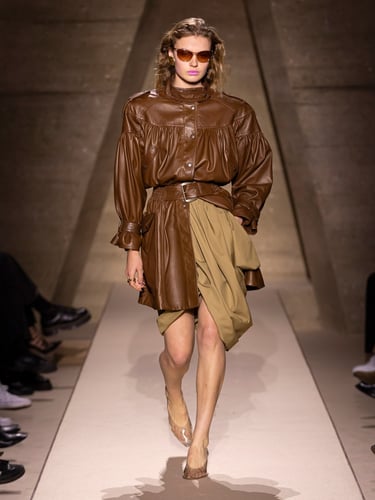
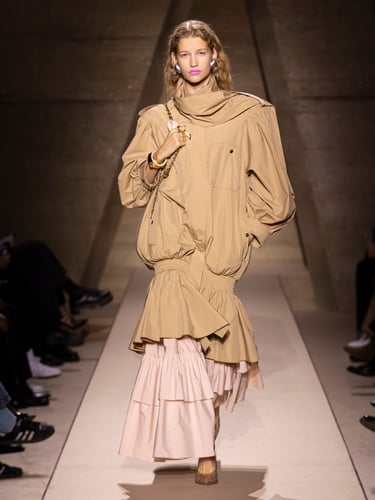
Chloé SS 2026 Unveils Lightness, Movement, and Modern Femininity
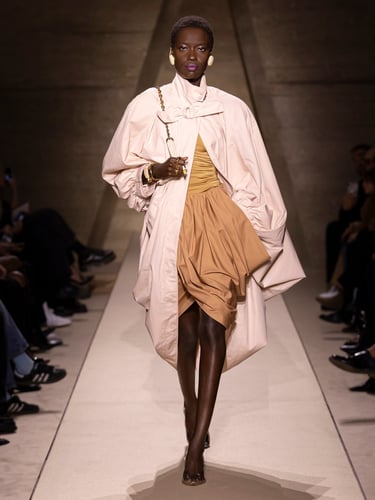
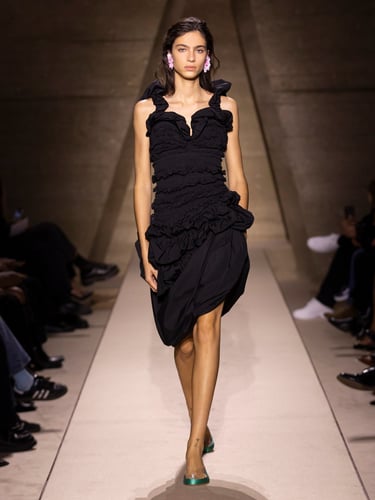
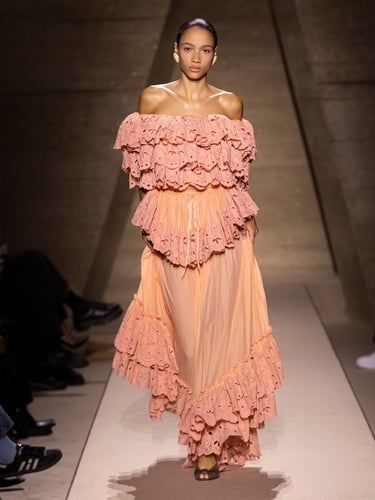
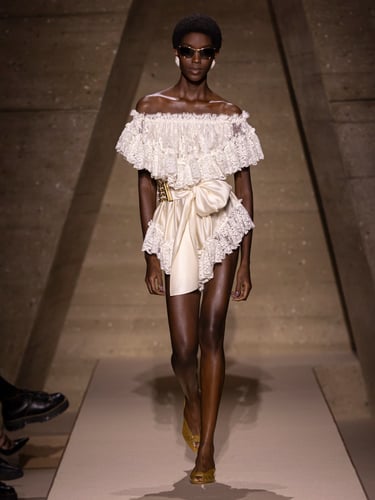
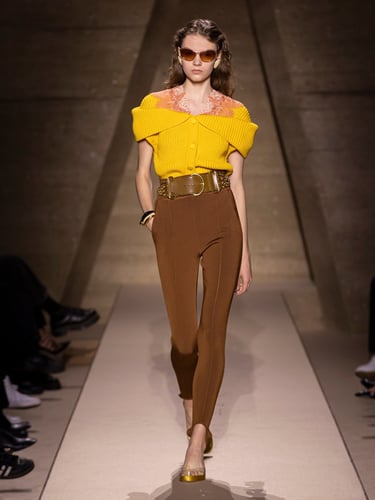
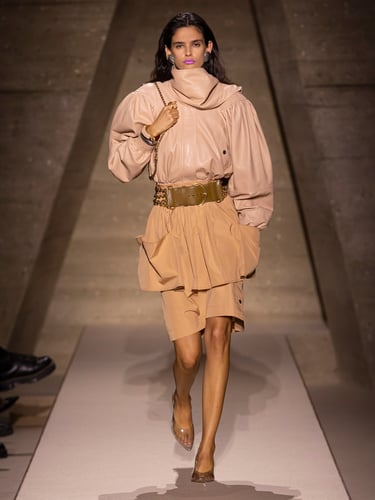
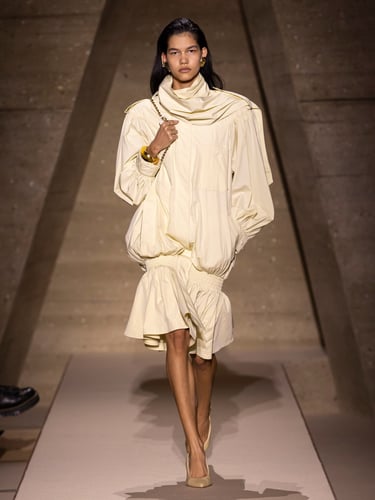
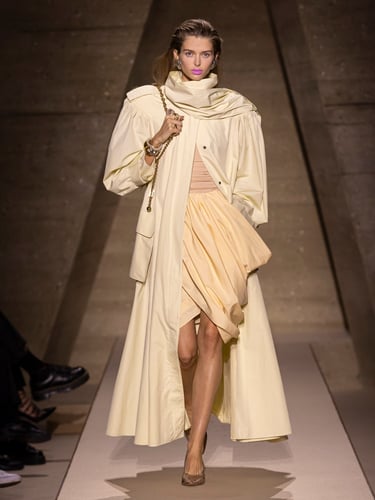
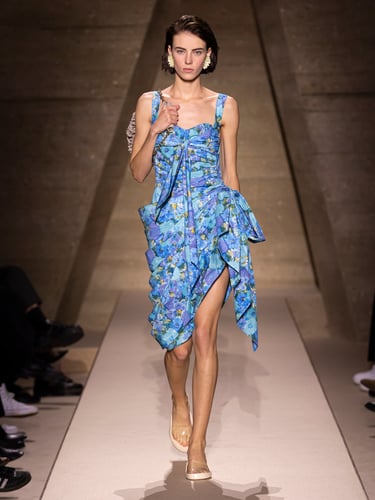
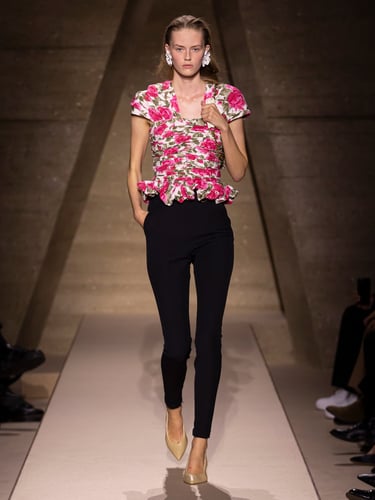
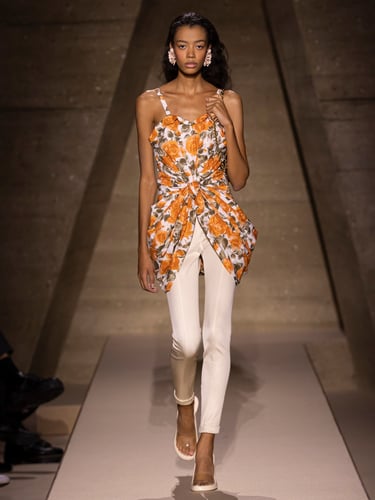
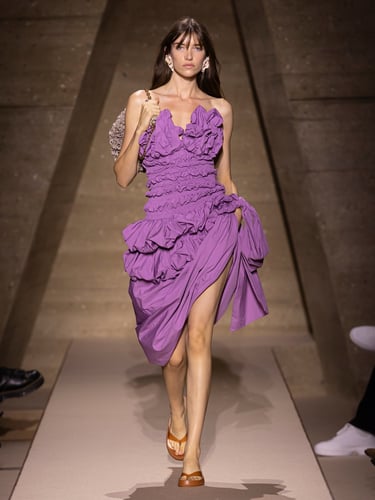
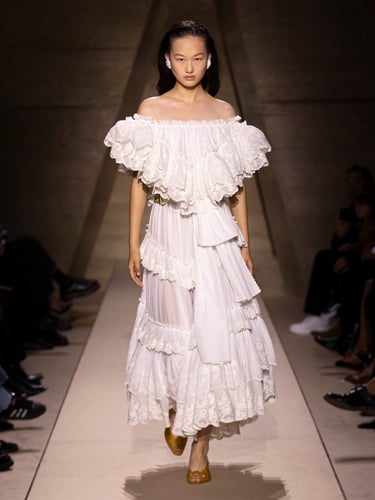
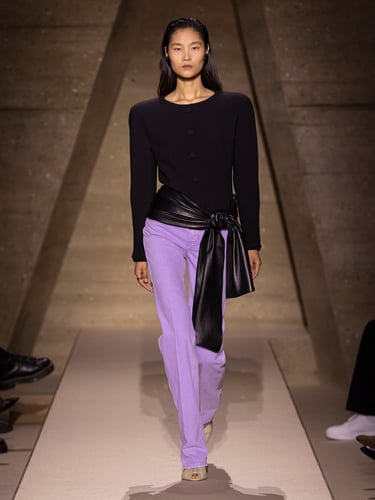
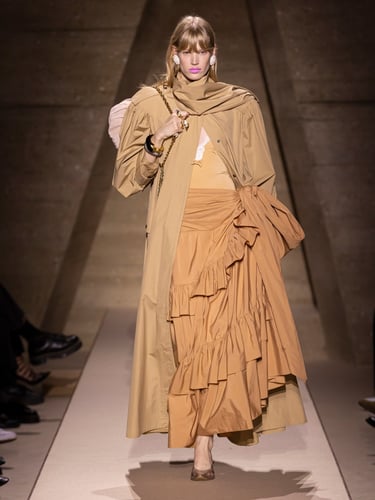
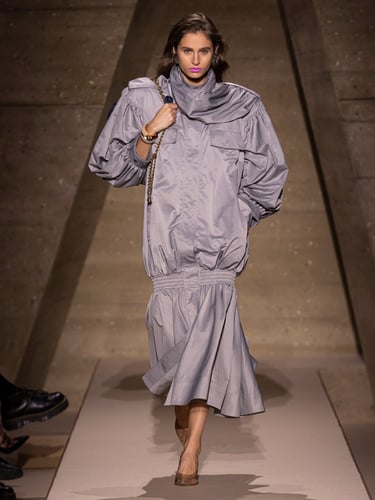
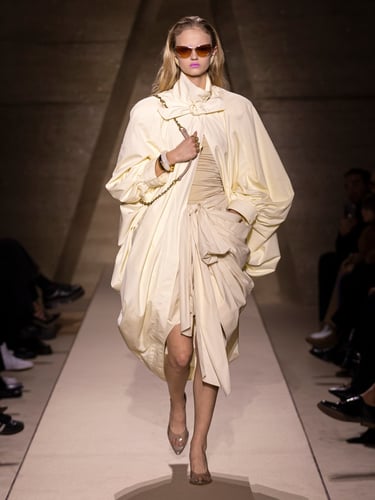
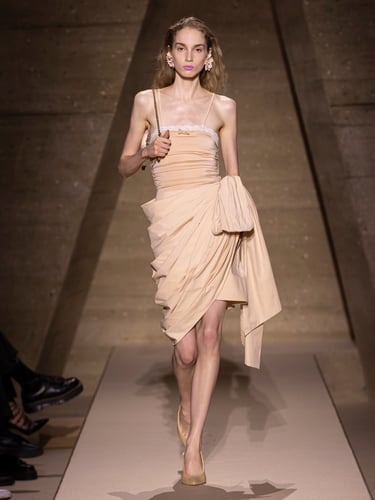
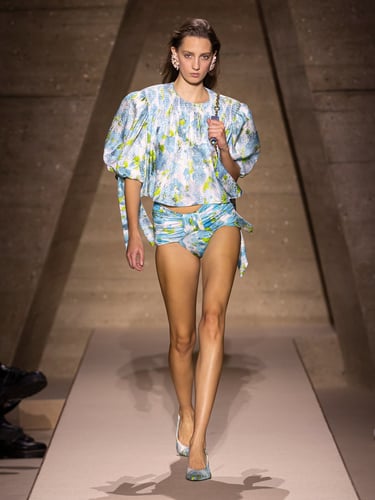
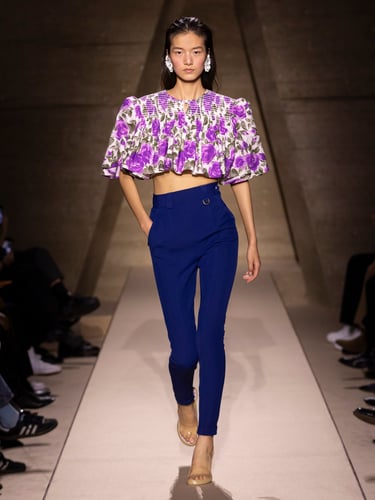
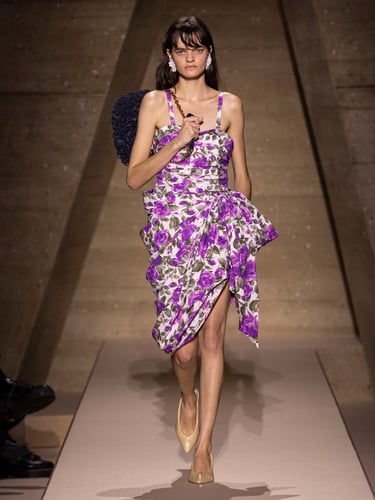
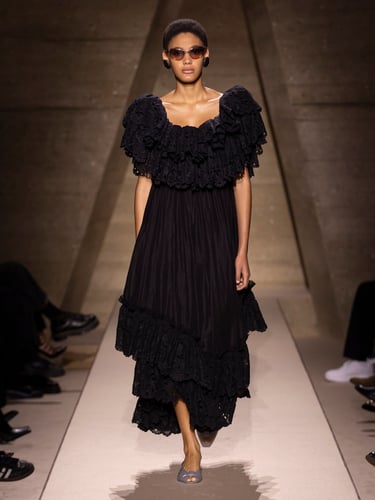
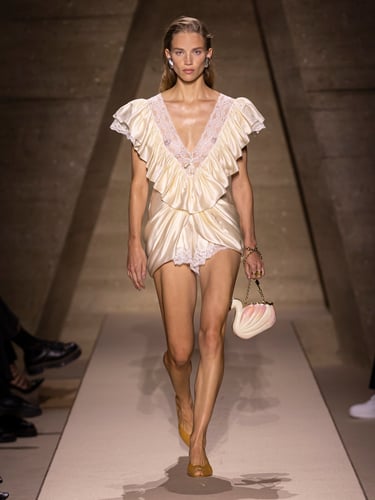
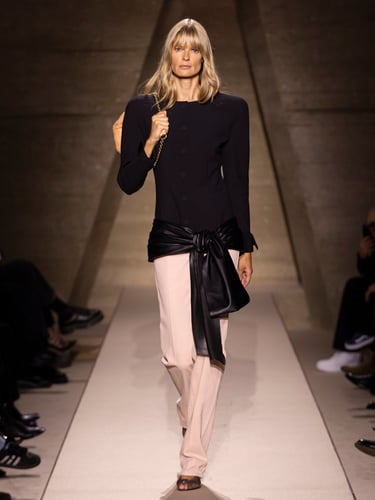
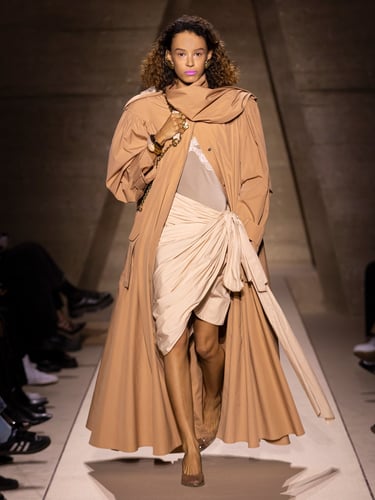
Chemena Kamali, creative director of Chloé, reimagines couture for a house defined by freedom and ease. Her Spring–Summer 2026 collection blends effortless draping, simple fabrics, and couture-inspired techniques.
Fashion Press Corner / Chloé / Photos: ©CHLOÉ
1/15/2026
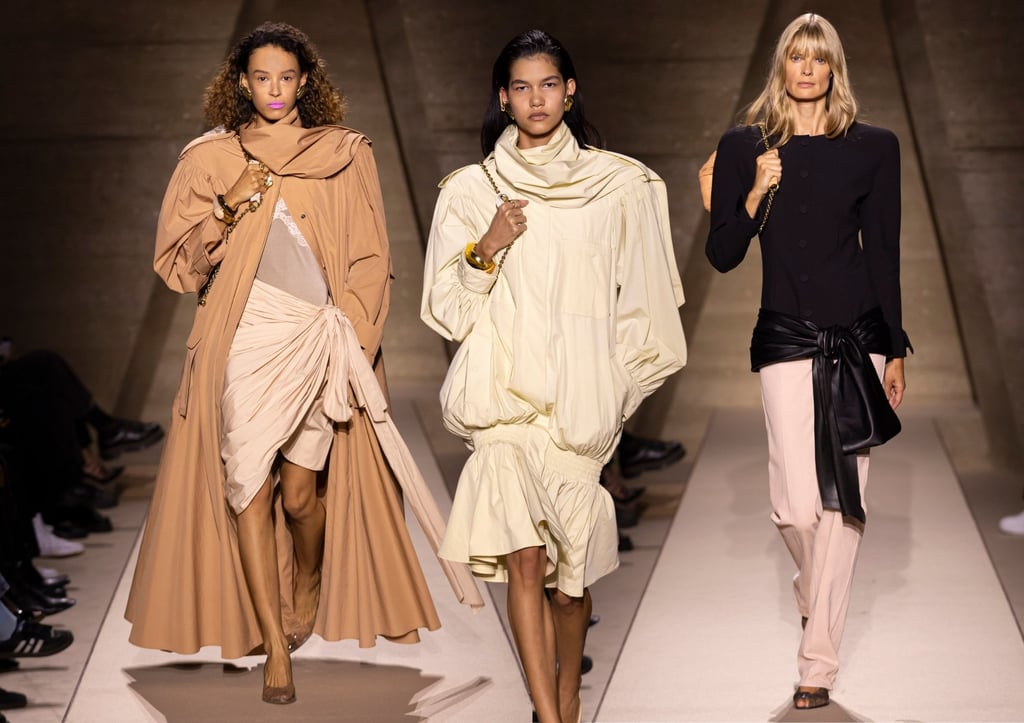
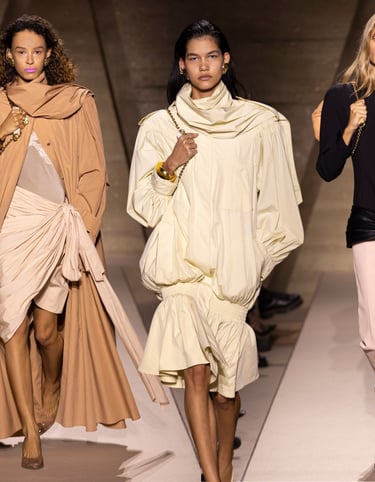
The creative director Chemena Kamali wanted to explore what the idea of couture could mean in the Chloé context. A paradox for a house founded on the principles of democratic freedom and ease; something that is not part of its core DNA. She wanted to push the boundaries of what defines Chloé, expanding its language, taking it into new and unexplored territory and looking at why and how Gaby Aghion founded Chloé.
“I started Chloé because I loved the idea of couture but found the concept a little out of date – a little artificial. A thing of beauty and quality should be seen on women in the streets,” Gaby Aghion.
Chemena liked the idea of going back to what Gaby Aghion rejected without betraying the original DNA of the house. She asked, “How could we create a considered but effortless silhouette; retain structure but remain unconstrained; achieve form without rigidity?”
At the Café Flore and Brasserie Lipp, the first Chloé collections in the late 1950s were inspired by the silhouette of couture but did not rely on lining, padding or boning. Instead, they were without formality or elitism. They had a lightness without losing the element of craft, creating the perception of an “entre deux” collection – something between couture and ready-to-wear.
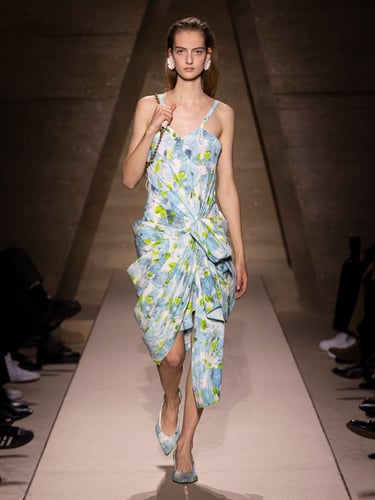
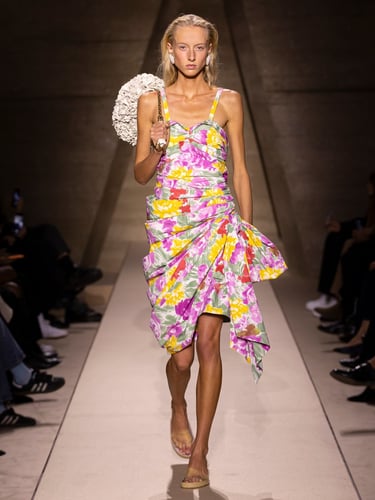
“So, I came back to something very personal for me – the instinctive gesture of draping to form, volume and movement. Achieving an airiness through pleating, knotting and wrapping. Spontaneous but precisely studied.
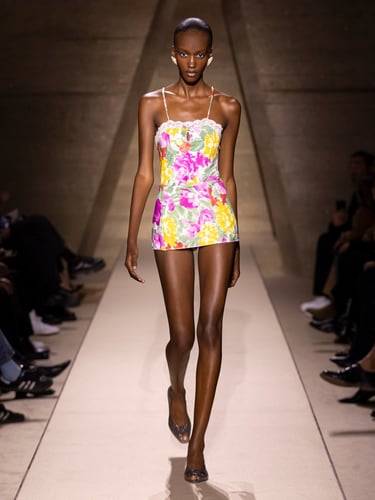
For me this became about merging the grandeur of couture inspired techniques with the most ordinary of cotton poplins. Stripping back all but the essential simple, “poor” fabrics and giving them shape through draping. Redrawing floral archive prints from the 1950s and 1960s. Reworking outerwear archetypes in light swathed cottons,” Chemena Kamali.
The decision to show in one of the conference rooms at UNESCO was intentional and symbolic. It is a postmodern setting built in the era of Chloé’s earliest years. A place that stands for open dialogue and exchange, freedom and openness. A place that honors creativity in all its forms.